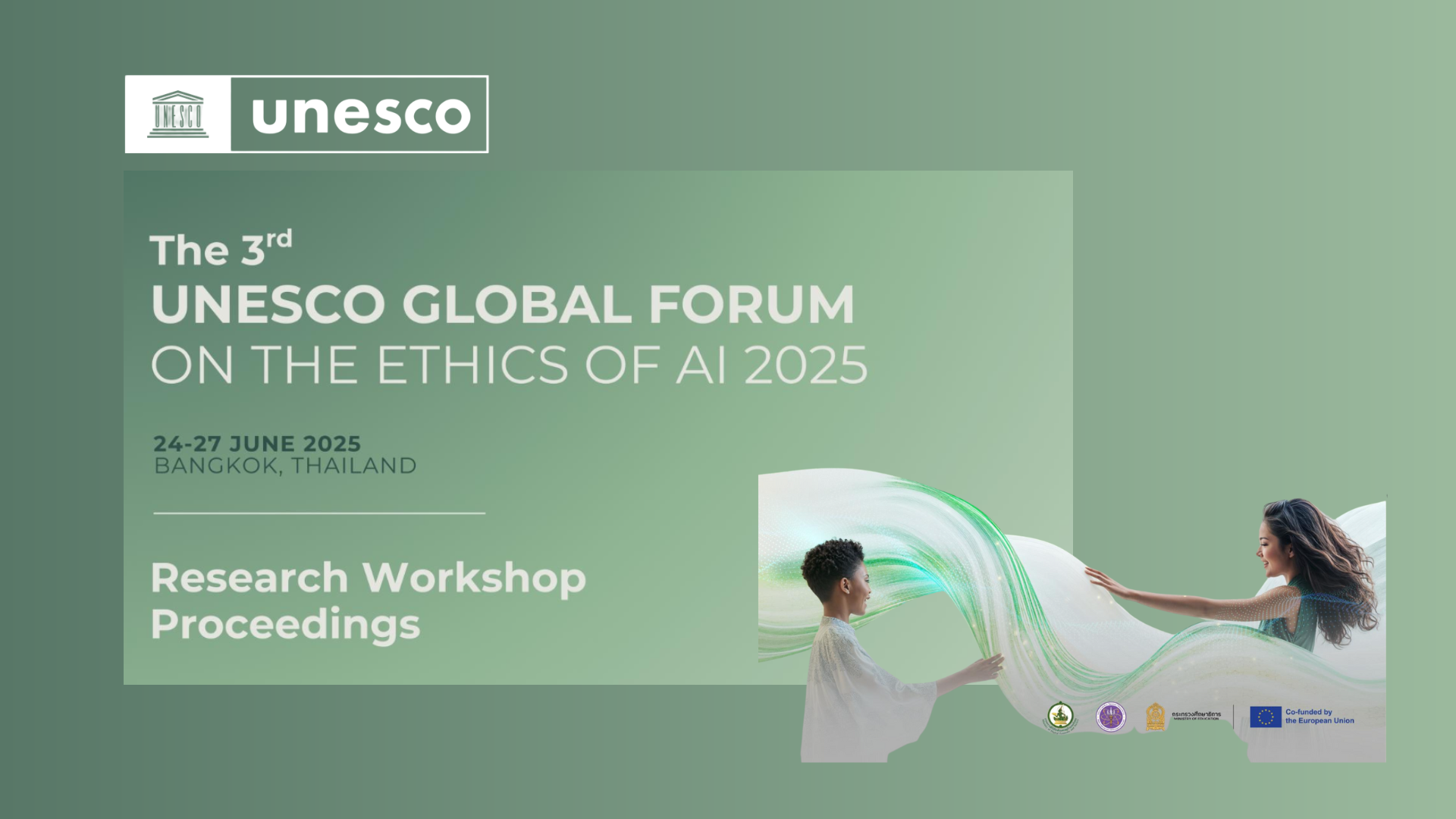
UNESCO has released the official proceedings from the research workshop convened as part of the 3rd Global Forum on the Ethics of Artificial Intelligence (GFEAI), which took place in Bangkok, Thailand, from 24-27 June 2025. The publication compiles 36 research abstracts presented at the Forum and selected through a global call for papers organized by IRCAI and UNESCO.
The publication features contributions across two thematic tracks: one focusing on technical aspects of AI governance and digital transformation, and another bringing together interdisciplinary perspectives from fields including social science, public policy, law, and philosophy. Research topics address, for example, ethical governance frameworks, environmental sustainability, gender equality, cultural diversity, health and well-being, and ethical impact assessment, which are core priorities within UNESCO’s Recommendation on the Ethics of AI.
Access the Forum’s proceedings on UNESCO’s website.
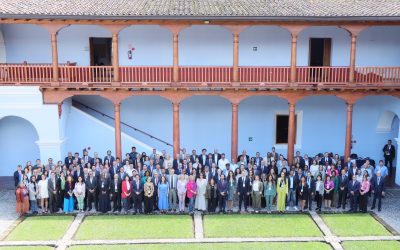
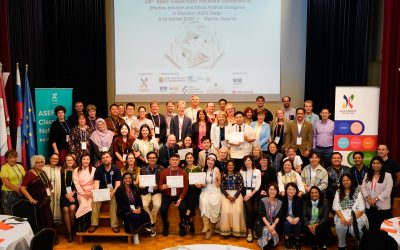
With more than 2,700 participants representing 90 countries, the Global Forum served as a platform to highlight progress made since UNESCO’s Recommendation on the Ethics of AI was adopted by 193 member states in 2021—establishing the world’s first universally recognized framework for AI ethics. Prior to the Forum, IRCAI and UNESCO issued a global call for papers to engage researchers, practitioners, and policymakers to contribute their work on ethical, inclusive and human-centered AI. Selected submissions were presented at the research workshop, with 12 papers receiving recognition for their exceptional originality, rigor, and impact.
Best Paper Award Winners
Joint 1st Prize: Nancy Kwangwa, Danxia Chen, Yomna Ahmed Shawky Omran
Joint 2nd Prize: Ines Springael, Raghu Dhumpati, Shi Hao Lee, Supheakmungkol Sarin
Joint 3rd Prize: Aung Pyae, Isabella Ferreira Lopes, Nuttapat Ngernshoosri
Honourable Mentions: Ayoub Mohammed Albalushi, Juan Manuel Martínez García, Elham Albaroudi
Full details of the 12 best papers are available here.
These proceedings represent a significant step in collecting and disseminating research that drives the practical implementation of UNESCO’s AI ethics framework. The diverse contributions demonstrate a worldwide dedication to advancing AI innovation guided by ethical standards and public benefit.