PERISCOPE (Participatory Engagement & Resilience Initiative against Strategic COmmunication and Propaganda in Europe) is a cross-border initiative that strengthens democratic resilience by empowering citizens, educators, journalists, young people, and other stakeholders to counter disinformation, gender-based hate speech, and foreign information manipulation and interference (FIMI) through media literacy, civic engagement, and the responsible use of artificial intelligence. Our team organized several workshops in Spring 2026.
Participants were introduced to core AI concepts, ethical and societal challenges, AI and media literacy, bias in AI systems, critical thinking, and the regulatory context, including the AI Act. The sessions also used real-life examples to illustrate both beneficial and harmful uses of AI and presented practical tools related to fake news, disinformation, manipulated content, and social media analysis.Feedback from participants indicated that the workshops were perceived as relevant, interesting, and practically useful. Participants reported gaining a more realistic understanding of AI, especially its opportunities, limitations, and implications for everyday life and professional practice. Particular value was attached to the emphasis on ethical AI use, critical evaluation of online content, data protection, algorithmic transparency, and the need to keep humans involved in decision-making.
Workshop 1: AI – Ethical Challenges and Responsible Use
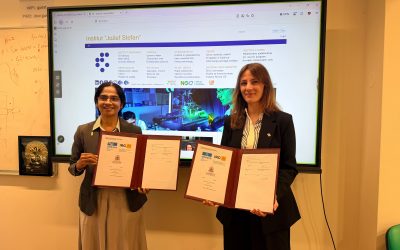
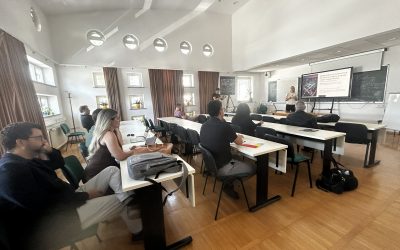
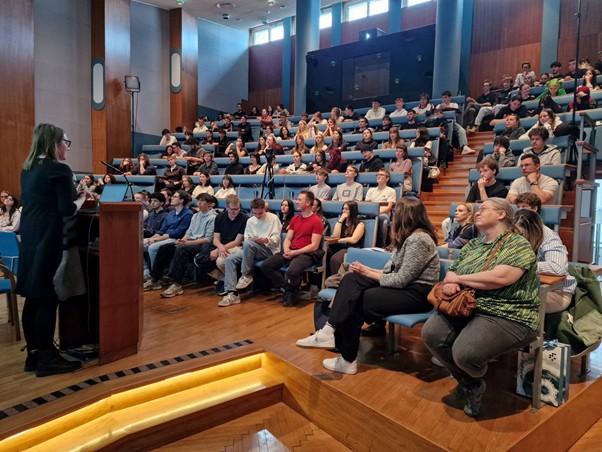
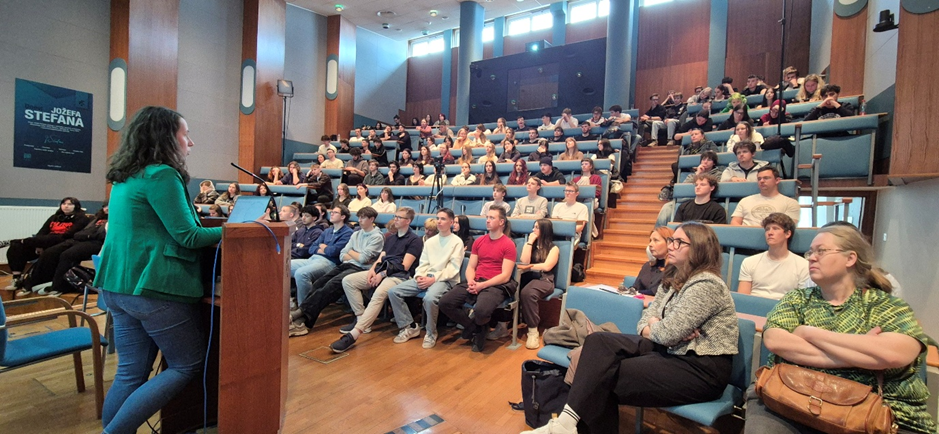
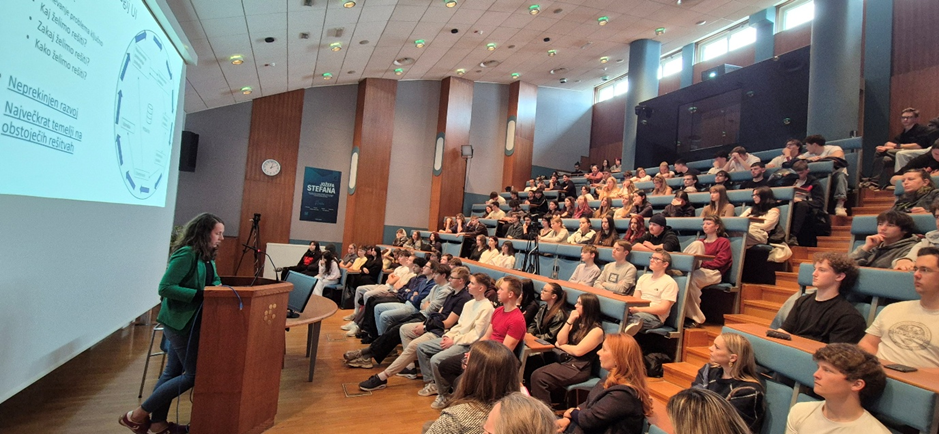
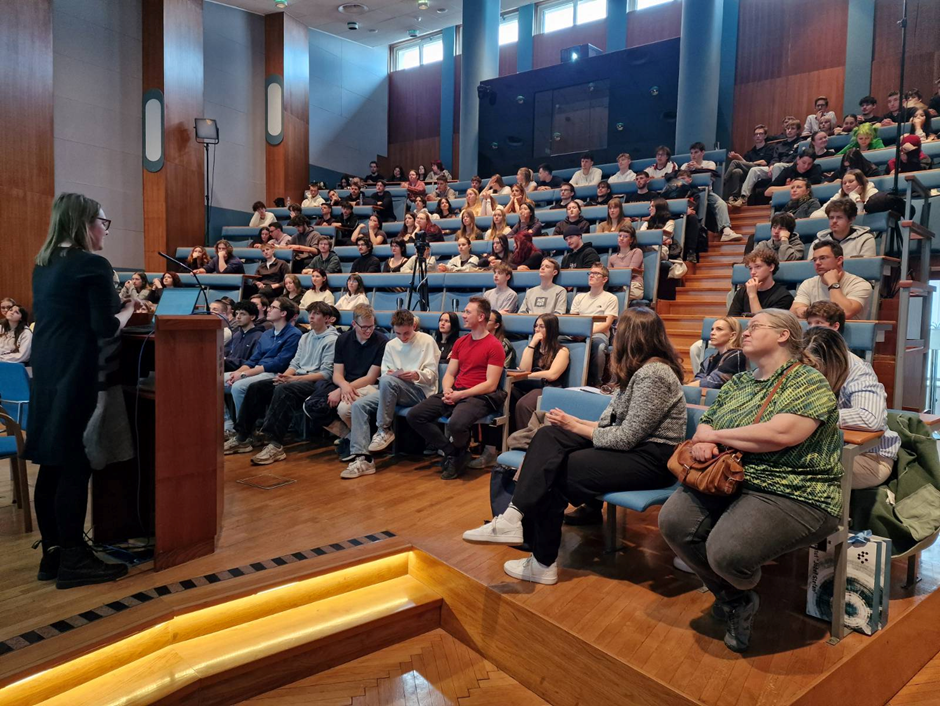
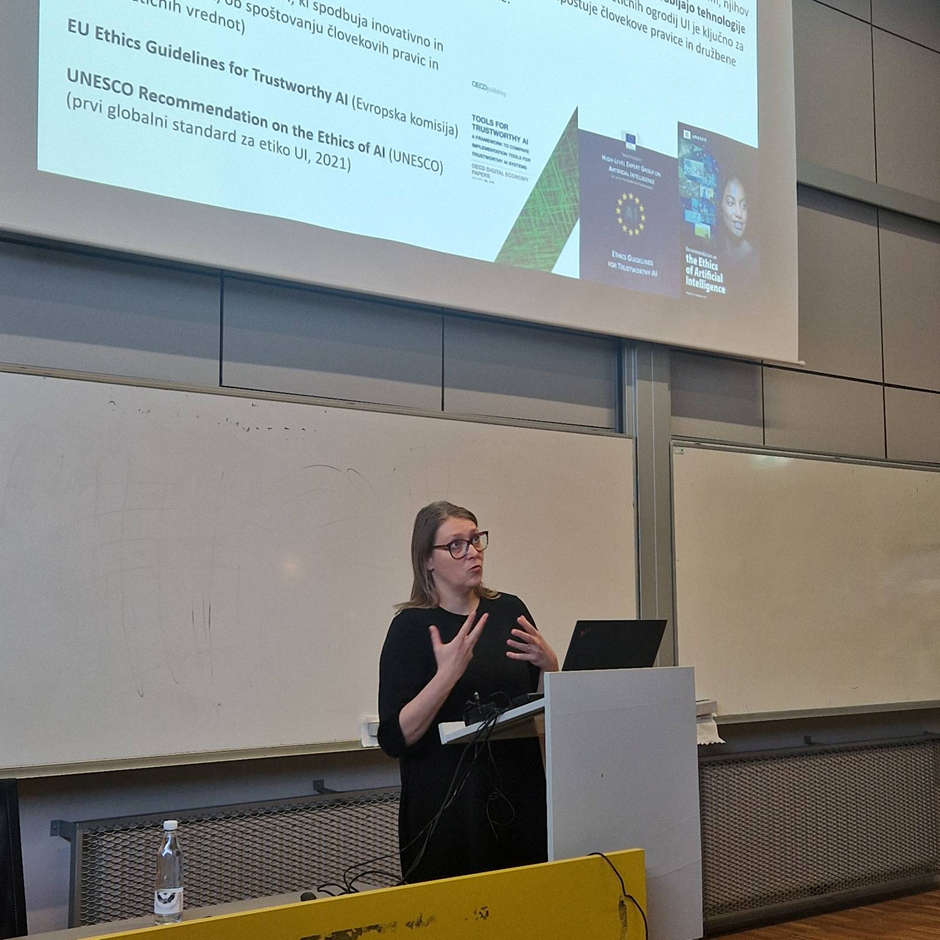
The first workshop, titled AI – Ethical Challenges and Responsible Use, took place on 24 March 2026 at the Jožef Stefan Institute in Ljubljana, Slovenia. It was organized for fourth-year secondary school students aged 18–19 and their teachers from the Ljubljana Multimedia and Graphic Technology Secondary School[1]. The workshop was delivered by three female researchers from the Jožef Stefan Institute and covered AI fundamentals, including what AI is, how it is developed, and where it is used, while highlighting that AI technologies are already embedded in everyday life. The session then addressed the role of AI in society, the challenges of AI use, and the principles of trustworthy AI, with a focus on bias, ethics, and human oversight. Real-life examples from different sectors were presented to demonstrate both risks and beneficial uses of AI, a short introduction to the AI Act, examples of current research activities, and a Q&A session.
Workshop 2: Students’ Digital Literacy: Using AI to Understand the Information Space
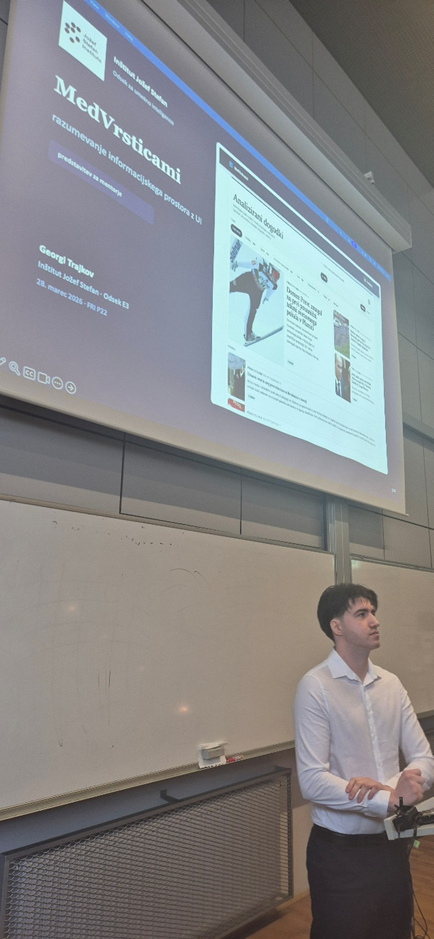
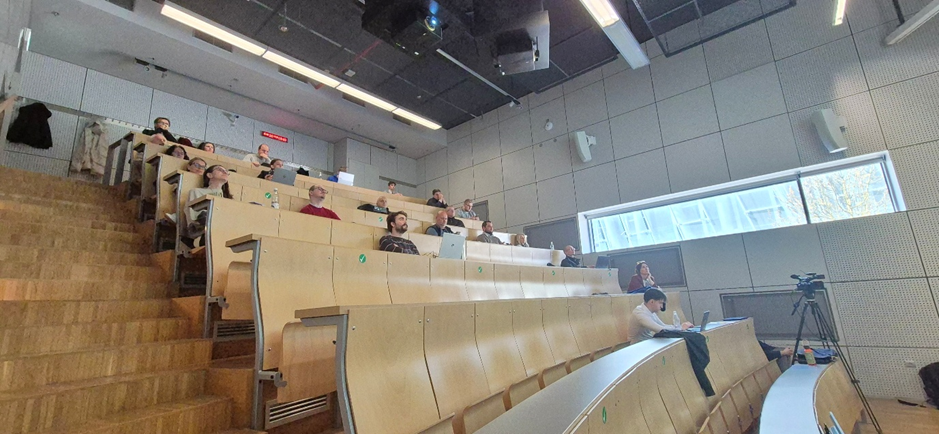
The second workshop, Students’ Digital Literacy: Using AI to Understand the Information Space, was held on 28 March 2026 during the ACM national competition in computer science[1] at the University of Ljubljana, Faculty of Computer and Information Science. It was organized in the morning for teachers mentoring students in the competition and for ACM competition organizers. The workshop ended with networking and a Q&A session. This activity focused on how AI can support understanding of the contemporary information environment and how educators can strengthen students’ digital and media literacy in this context. The workshop created space for exchange between education practitioners and experts, helping participants reflect on the challenges of guiding students through increasingly complex media and information ecosystems.
[1] https://tekmovanja.acm.si/rtk/
Workshop 3: Become an Information Detective with AI
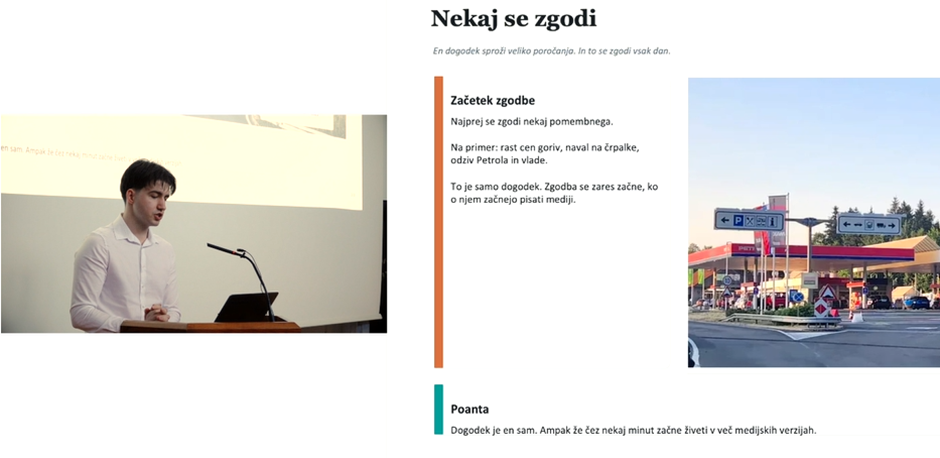
The third workshop, Become an Information Detective with AI, was also organized on 28 March 2026 during the ACM national competition in Ljubljana. It was delivered in the afternoon for students participating in the competition (after the competition). The session focused on the question of whether students are sufficiently prepared to critically evaluate content appearing in the media. Participants explored the importance of critical and responsible AI use. A dedicated tool to strengthen media literacy was introduced as part of a hands-on activity, enabling participants to practice skills for navigating a complex and often misleading information landscape.
Workshop 4: AI Tools & Media Literacy
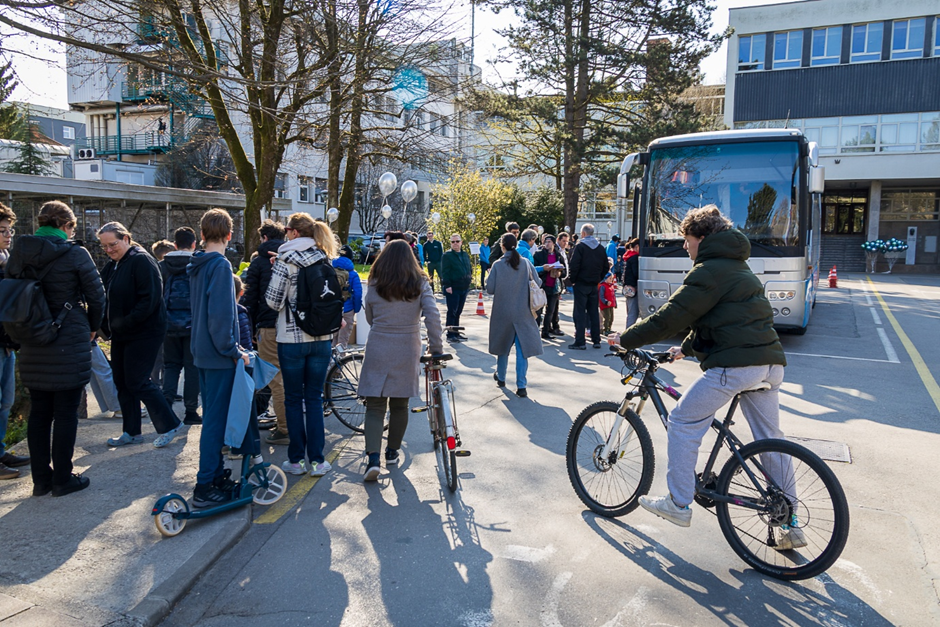
The fourth workshop was organized on 28 March 2026 as part of the Jožef Stefan Institute’s annual Open Day at the HQ in Ljubljana. The workshop was designed for citizens (general public) visiting the Institute as part of this open-house type event. This shorter session focused on selected AI tools and highlighted the importance of AI literacy and media literacy for broader society. The presentation was adapted to a non-specialist audience and aimed to raise awareness of how AI tools shape information consumption and why citizens need critical skills to interpret content responsibly.
Workshop 5: AI Tools to Support Media Literacy
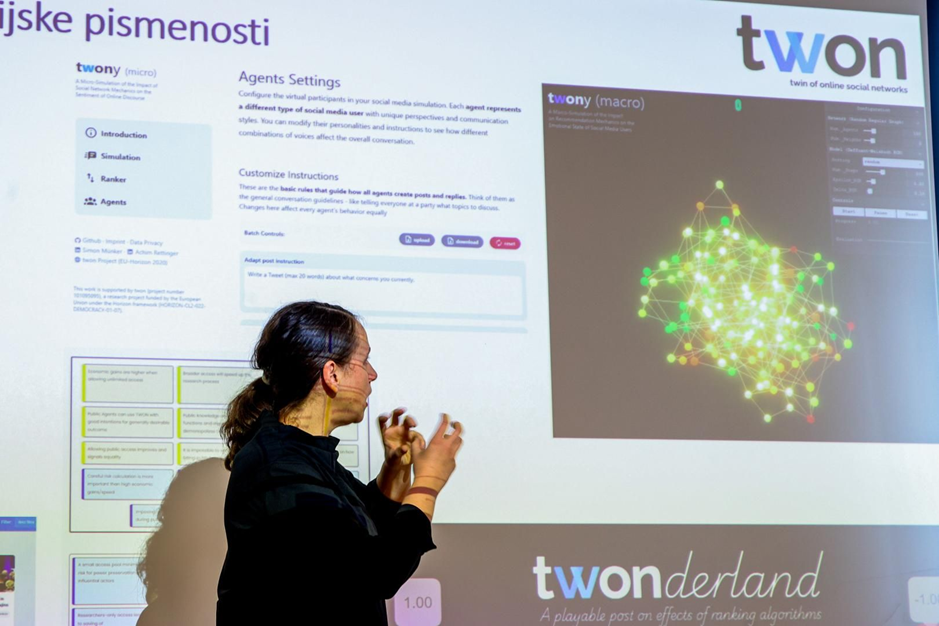
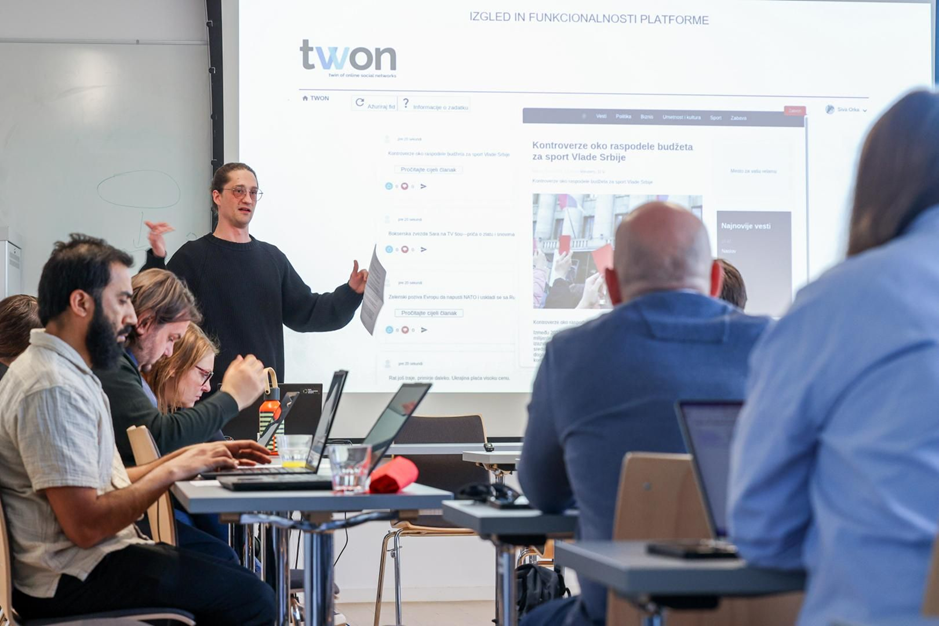
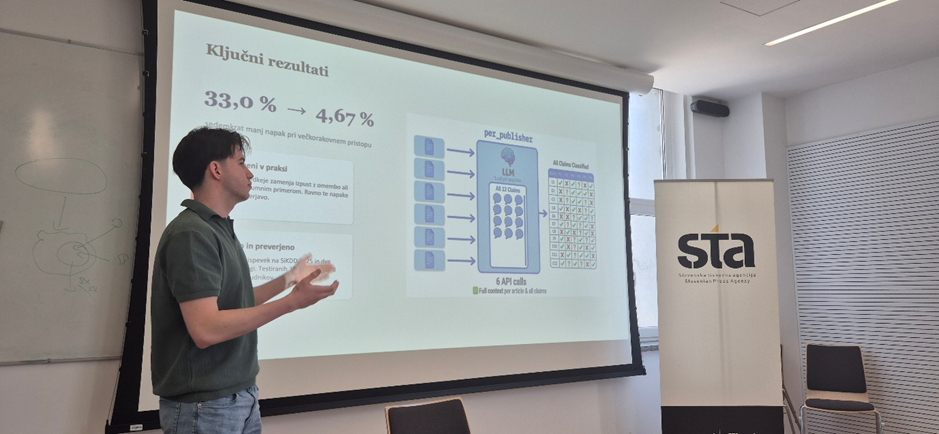
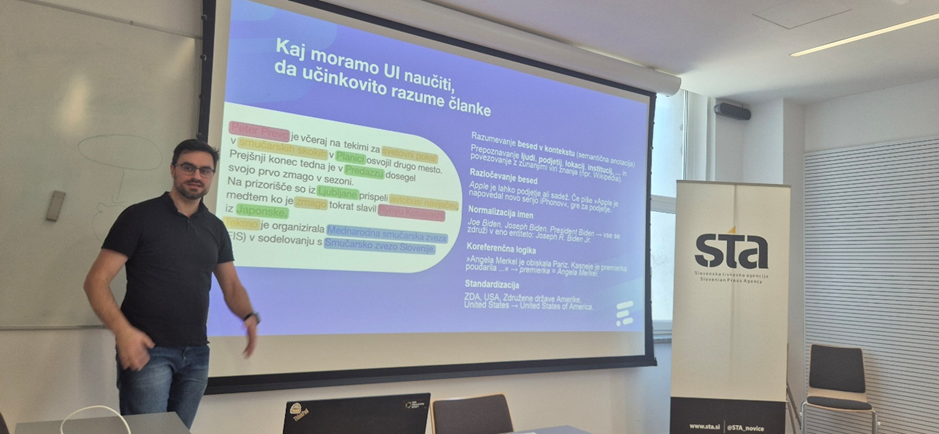
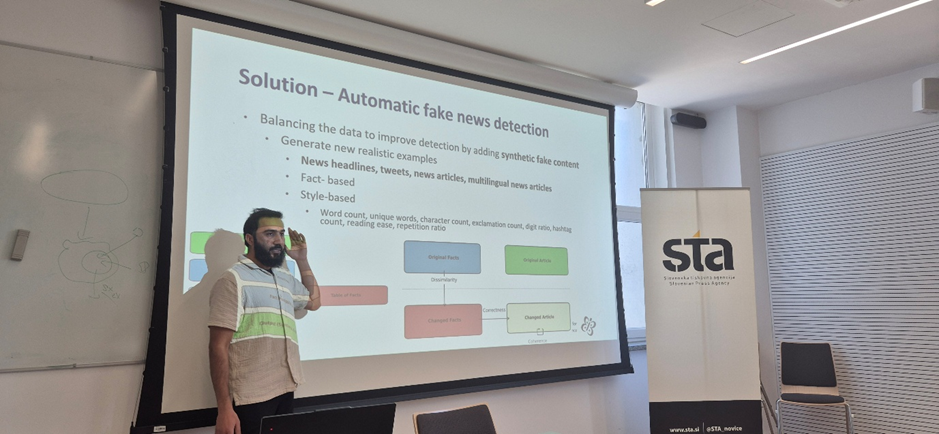
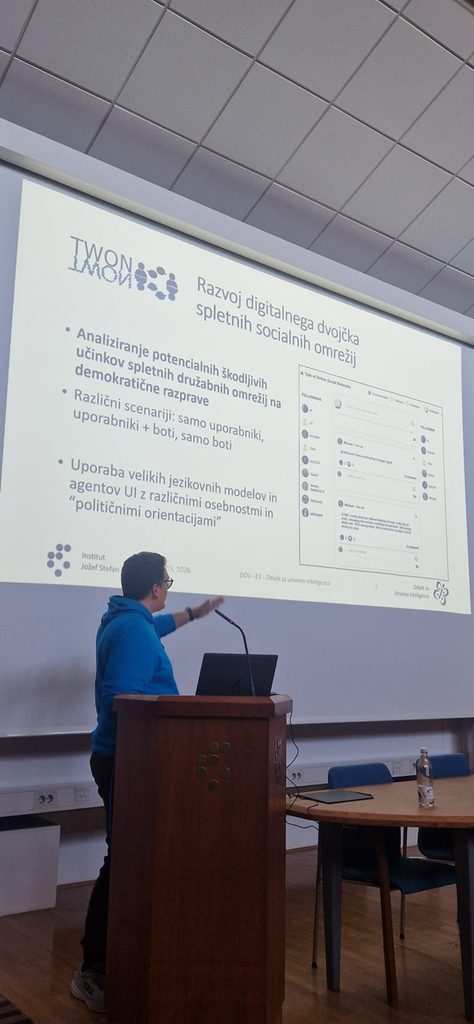
The fifth workshop, AI Tools to Support Media Literacy, took place on 31 March 2026 and was organized for journalists and media experts interested in understanding and applying modern AI tools in their work. The event was jointly organized by the Jožef Stefan Institute, the Slovenian Press Agency, and the University of Maribor (FERI), and included activities developed within the framework of the EU projects Periscope, TWON[1], and SOLARIS[2]. The event presented case studies from European research projects on social media analysis, detection of manipulated content such as deepfakes, and media monitoring solutions. Participants learned how AI can support analysis of the spread of news across geographical, linguistic, and political contexts, and how digital twins of social networks can be used to understand information flows. Tools for automated analysis of media coverage and trend monitoring were also presented, supporting more data-driven and efficient journalistic practice.
[1] TWON-TWin of Online Social Networks. https://www.twon-project.eu/
[2] SOLARIS- Strengthening democratic engagement through value-based generative adversarial networks. https://projects.illc.uva.nl/solaris/